
Becoming a Robot Superpower
Drones have rewritten warfare. The next wave of AI and Autonomy technology will rapidly evolve drones into much more capable Robots. - Mark Bigham - Author

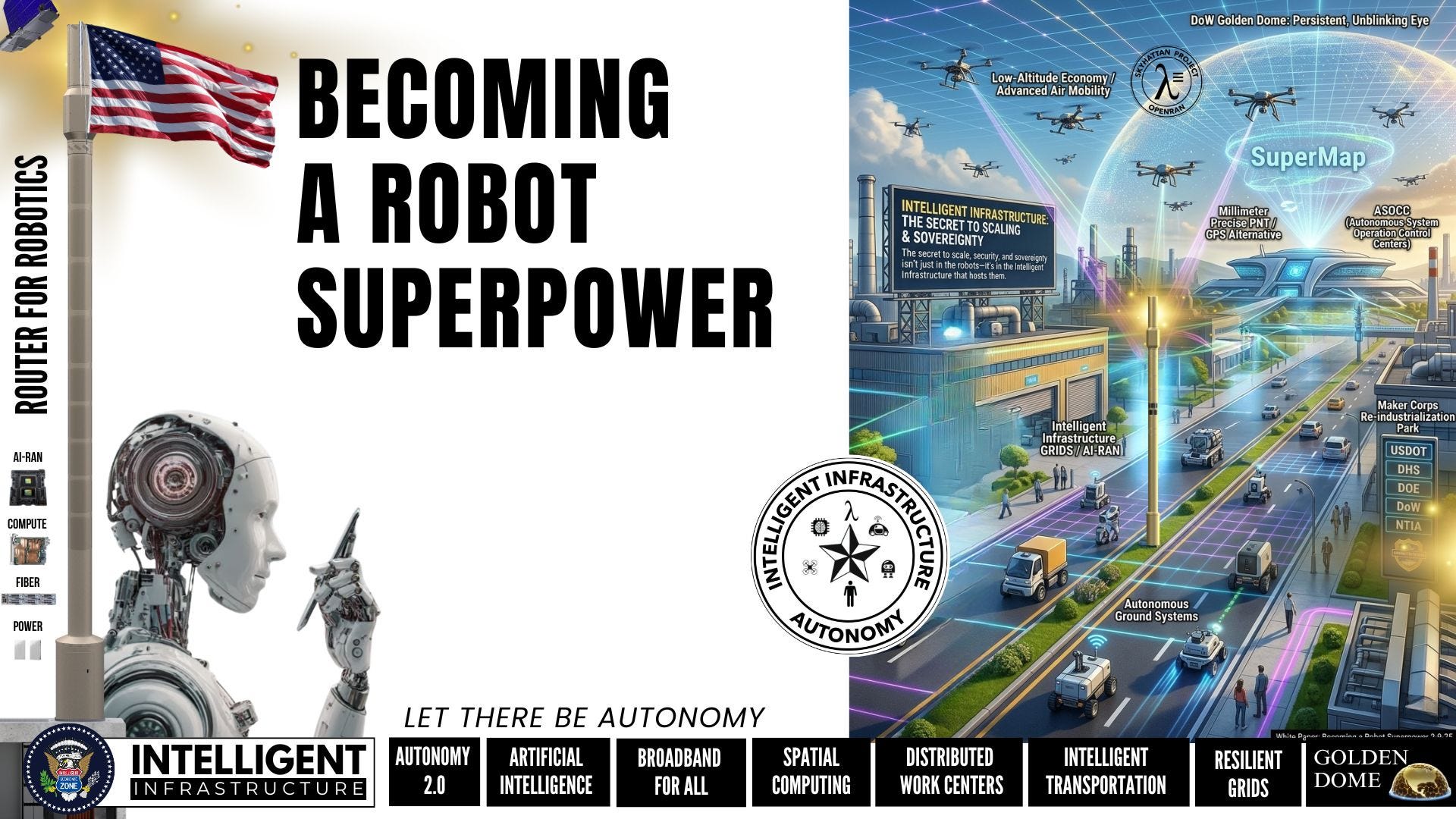
Depiction of Autonomous Robotics supporting the innovation industrial complex for the industry and civil sector. Autonomy applied to the maintenance and sustainment of our infrastructure and the private sector.
Becoming a Robot Superpower - DoW
Drones have rewritten warfare. The next wave of AI and Autonomy technology will rapidly evolve drones to much more capable Robots. This shift will usher in another exponential increase in military capabilities and an era of Robot Centric Warfare. The next wave of Robots is emerging now. The author offers a roadmap for the US to become a Robot Superpower. Mark Bigham
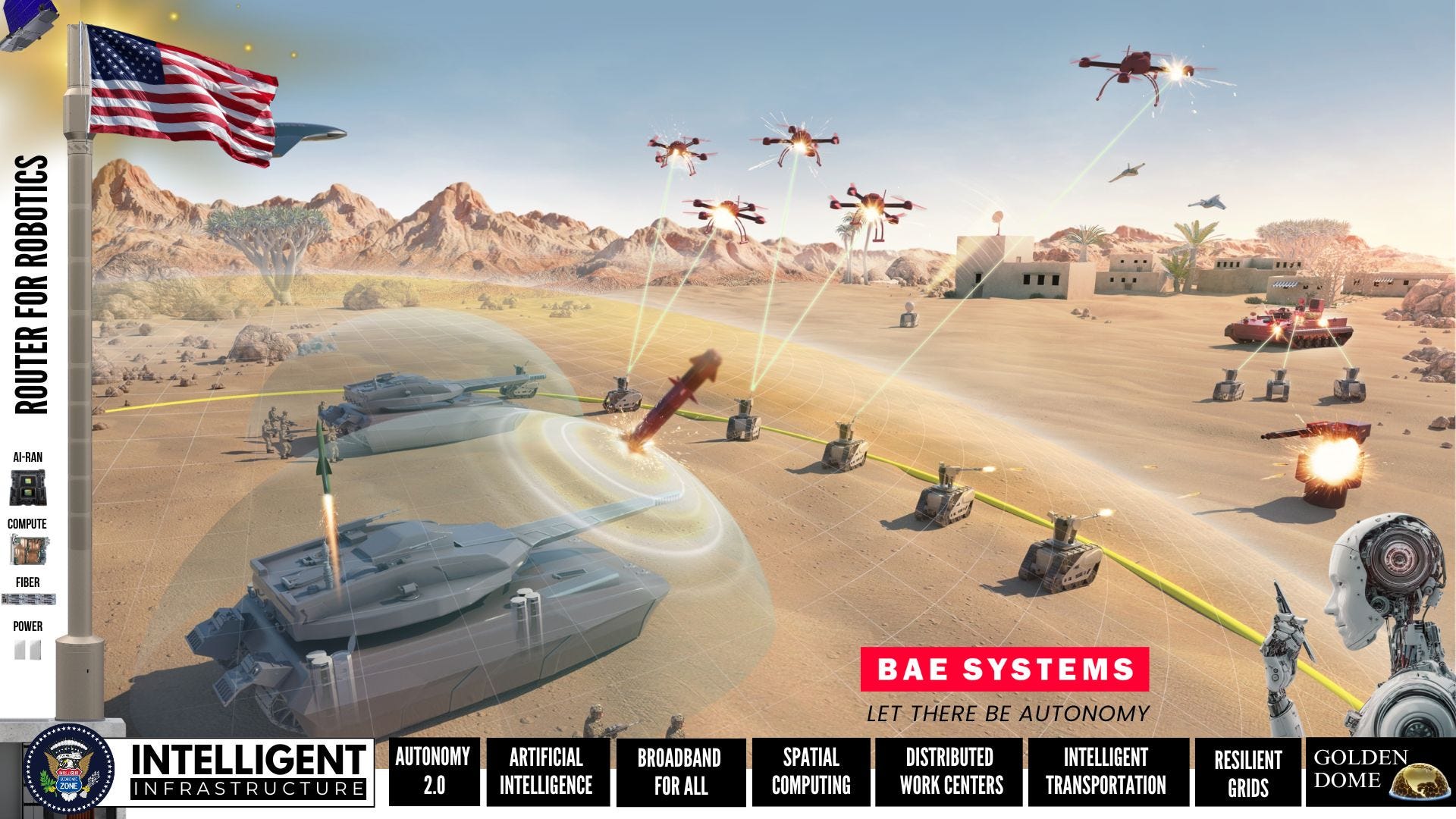
BAE Systems Depiction of Autonomous Robotics in Theater.
Table of Contents
1 Drone Warfare
2 Innovate Fast or Die
3 Confluence of Technology and Capabilities
4 The Next Wave of Technology - AI and Autonomy
5 Robot Centric Warfare
6 Why did the US fallen behind
7 Robot Superpower Roadmap
8 Conclusion
Appendix A The key enablers for Advanced Manufacturing
Appendix B Rules for Robot-to-Robot Collaboration
Appendix C OpenAI roadmap for becoming a Robot Superpower
About the Author: Mark Bigham is a former Air Force Intelligence Analyst, graduate of the National Cryptologic School, co-founder of a successful startup, executive for a major defense contractor, high school robotics coach, technical advisor, and research engineer for Southern Methodist University.
Preface
As Drones rewrite warfare, this paper examines the current drone powerhouses and offers a roadmap for becoming a robot superpower.
To be clear, we are focused on the impact of applying widely available consumer-grade Drone technologies for military applications. This technology can be easily used for air, ground, and maritime applications.
Today, the vast majority of Drones in Ukraine are small aerial platforms that are remotely controlled by humans with first person view (FPV) interfaces. Most of these drones have limited auto-pilot and very few have more capable autonomous flight capabilities.
Typically, people think of Drones as small aerial platforms with basic autopilots that are remotely controlled. Furthermore, Robots are typically thought of as ground based platforms with more advanced methods of maneuvering.
For the purposes of this paper, we are going to claim that Drones are relatively dumb, and that Robots are smart. This is clearly an oversimplification, but I am striving for clarity. Furthermore, we assert that both drones and robots can operate in the air, ground, and maritime domains. (Plus, there are a few generations that have been raised on the vision of Robots as defined by Isaac Asimov.)
The next wave of AI and Autonomy technology will rapidly evolve Drones to much more capable Robots. This shift will usher in another exponential increase in military capabilities and an era of Robot Centric Warfare.
The next wave of Robots is emerging now. The author offers a roadmap for the US to become a Robot Superpower. More importantly he examines a broader strategy for competition.
Footnote1: To help reenforce the point of this paper, I used OpenAi’s ChatGPT to help research and summarize much of this paper. It reduced research and writing time by 99% and improved the quality and content by probably an order of magnitude. Essentially, I asked a “robot” to help me write a white paper on how to become a robot superpower. Anyone with access to ChatGPT could do this.
1. Drone Warfare
The innovative use of drones in Ukraine has ushered in a new era of warfare. A major superpower Russia with “superior weaponry” has been stymied by very low-cost drones in the air, on the sea, and on land. In this paper we will look at how and why this happened. We will also examine why US drones are underperforming in the Ukraine. This is not the first time in history that US weapons were inferior to those produced by other countries. However, it is the first time the US does not have the core manufacturing capabilities needed to respond at a critical inflection point. Furthermore, this is the first time that a set of revolutionary technologies are available to anyone with the smarts to use them. In this paper we will examine some of the causes of this current situation and provide a set of recommendations designed to improve the US’ position in this new emerging world order.
2. Innovate Fast or Die
Many of the greatest innovations in history are born from life-or-death struggles. In peacetime, business monopolies, bureaucracies, politics, and money constrain innovation. In wartime, life-or-death situations, people will try anything to survive. All the previous constraints are abandoned in the fight for survival. World War II was a great example of this effect. Many of the greatest innovations of the 20th century such as rockets, jet engines, atomic weapons, radars, and computers were the direct result of WWII innovations. During WWII the US was a manufacturing behemoth which rapidly cranked out ships and planes to help turn the tide of the war. The German’s led the world in rockets and jet engines. The UK led the world in radars and computers. The US led in atomic weapons. The US ‘acquired’ rocket, jet engine, radar, and computer technologies from Germany and the UK. Today, the wars in the Ukraine and Israel have created another intense period of innovation using the best available technology to rapidly create a competitive advantage.
“It’s Not the Big That Eat the Small...It’s the Fast That Eat the Slow: How to Use Speed as a Competitive Tool in Business” 2, by Jason Jennings and Laurance Haughton, 16 April 2022, explores using speed as a competitive tool for business. The military talks about tightening the OODA loop or kill chain to operate faster than the adversary. The military is focused on the operational tempo on the battlefield. In the new world order, accelerating the speed of new products to the battle space will be just as important. This is not a new idea. The race for the atomic bomb was an example of superpowers racing a new game-changing technology to the battlespace. The Space Race is another great example. The development of Atomic Weapons and Rockets required unique skill sets, cutting-edge science, very specialized equipment, and new materials that were not broadly available.
Drones are very different because everyone has access to the same key enabling technology, and that technology is affordable. This will make continuous rapid innovation critically important. However, putting those innovations into business practice at scale is the key.
3. Confluence of People, Process and Technology
The big change with drones and other robotics is that the key enabling technology is available to anyone with basic technical skills. Anyone anywhere on the planet can use this technology to create innovative capabilities. However, to make a significant impact, technology alone is not enough. We also need the skilled people with the capability to put that new technology into business practice at a scale and tempo that makes a difference. Let’s use Bruce Schneier’s People, Process, and Technology framework to discuss this topic, figure 1.
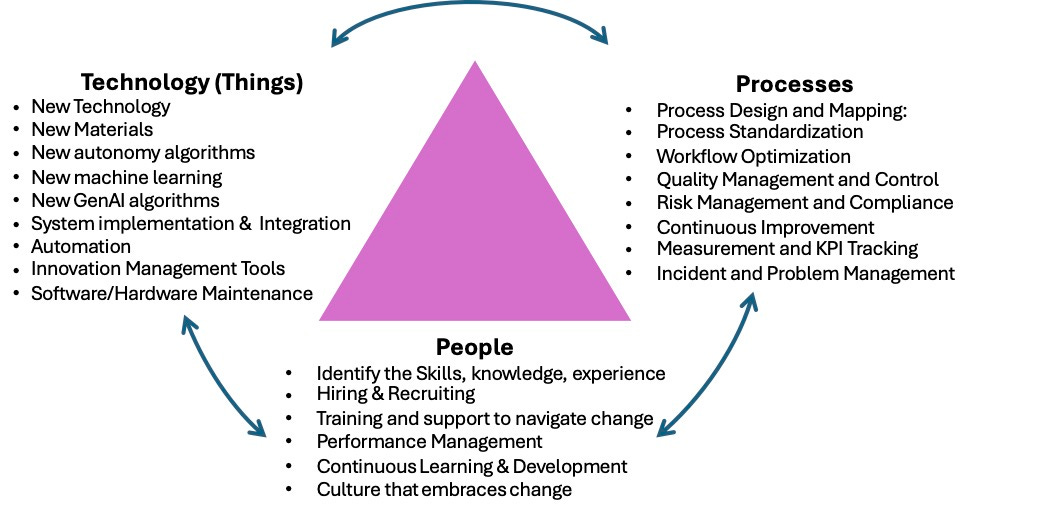
Figure 1 - Integrating People, Process, and Technology is a prerequisite for creating an effective Drone Ecosystem
3.1 People
People are the most important element of any system. We must have well trained people to leverage any technology to achieve our objectives. Furthermore, we must have well trained people across the entire business spectrum from design engineer to the fabricator, to the supply chain, to the delivery driver, to the help desk. It takes all these skilled people to successfully put something into business practice and scale it. We also need a way to effectively manage those people. Let’s step back and try to understand why Shenzhen, China became the epicenter for consumer drone development. It was not an accident. It was through intentional national investment in an advanced manufacturing ecosystem that could take advantage of the emerging technologies to rapidly create products. In this case consumer drones. This included the advanced manufacturing, supply chain, transportation infrastructure, and most important the skill base to create a complete drone ecosystem.
As new consumer and hobby drones gained in popularity other innovators responded with new applications such as the Drone Racing League. Separately, inventors and educators recognized the growing need for robotics expertise and established organizations like For Inspiration and Recognition of Science and Technology (FIRST). We will look briefly at the impact of these participants on the current and emerging state of drone and robotic ecosystems.
3.1.1 Da-Jiang Innovations (DJI) - The founders of DJI were at the right place at the right time to take advantage of this technology. DJI was founded by Frank Wang, in 2006 in Shenzhen, China. Shenzhen is a major manufacturing hub with highly skilled labor, a rapid prototyping and manufacturing ecosystem, and easy access to major supply chains. Plus, Shenzhen is a special economic zone with government tax incentives and sustained infrastructure investment. It provided high quality manufacturing with access to low-cost labor in one of the best manufacturing environments with the lowest cost. This allowed DJI to build great products at reasonable prices for consumers and commercial applications. DJI was able to put consumer drones into business practice at scale. The Shenzhen drone ecosystem also became a melting pot of drone innovation as entrepreneurs, engineers, builders, salesman, and support people spun out new drone companies like EHang, Autel Robotics, Yuneec Electric Aviation, and JOUAV. China’s investments in skilled people, advanced manufacturing, robust supply chains, and transportation infrastructure successfully created the first major drone ecosystem.
3.1.2 Drone Racing League (DRL) - The DRL quickly recognized the potential for drone racing. DRL quickly found a natural home in the Middle East with a natural audience. People in the Middle East love of F1 racing and other racing sports. Significant capital investment was available to help sponsor DRL races. Plus, regional sovereign governments recognized the dual use potential of drones. Significant sovereign investment in the DRL has created hubs of drone expertise in the middle east. In 2017, the General Sports Authority (GSA) of Saudi Arabia announced they would be hosting the 2018 DRL Allianz World Championship. This supported the GSA’s broader commitment to the development of drone racing in Saudi Arabia. The Allianz World Championship will push the eight most elite FPV (First Person View) pilots on the planet to race custom-built DRL drones more than 90 miles per hour through a complex, three- dimensional racecourse, fighting to be crowned the World’s Greatest Drone Pilot. The final race was broadcast in 87 countries on the best sports programs on the globe including, ESPN, OSN, Sky Sports, ProSiebenSat.1, FOX Sports Asia, and Disney XD.”
Fast forward to 2025, the UAE will be hosting the Abu Dhabi Autonomous Racing League (A2RL) with a $1M prize. “The A2RL Drone Race, scheduled for April 2025, will bring together the best of the best from across the globe – think elite drone racing teams, top-tier research institutions, and ambitious rookies eager to make their mark. With a jaw-dropping $1 million prize up for grabs, competitors will be pushing the limits of speed and agility as they navigate a maze of obstacles. And here’s the kicker: the A2RL Drone Challenge isn’t just for the pros – high-school students with a passion for STEM are invited to join the action too.” Note: the 2024 A2AL race attracted 900,000 online viewers and 22,000 FPV Simulation racers. Sovereign governments in the Middle East are investing in small autonomous drone ecosystems because they see the dual-use applications and the asymmetric potential.
3.1.3 For Inspiration and Recognition of Science and Technology (FIRST) - FIRST robotics was founded in 1989 and has served more than 3.2 million young people, ages 4 to 18, in more than 100 countries around the globe. According to FIRST, approximately 83,600 high school student participants competed in FIRST® Robotics Competition in 32 countries in the 2022-2023 season. 87,400+ students in Grades 7-12 competed in FIRST® Tech Challenge in 67 countries in 2022-2023. FIRST Robotics competitions are creating a highly skilled global workforce. FIRST Robotics competition students also became feeders for collegiate-level robotics programs. This skilled workforce has easy access to affordable drone technology and is ready to work.
3.1.4 Ukraine Drone War - Ukraine is now the epicenter of military drone innovation. Ukraine has rapidly become the leader in small weaponized drones. Iran is a major supplier of drones to both Russia and Yemen. This is likely to last beyond the war with Russia. Given the Ukrainian and Iranian success with drones, other countries are very likely to increase investment in drones.
3.1.4.1 The Ukraine conflict has also demonstrated the vulnerability of remotely controlled FPV drones to Russian Electronic Warfare and kinetic counterstrikes. Russia has long had a very good EW capability. The most popular systems used in FPV drones today include: ExpressLRS / ELRS (2.4GHz and 868MHz/915MHz) TBS Crossfire (868MHz/915MHz) TBS Tracer (2.4GHz). This makes FPV datalinks and pilots relatively easy to detect and locate. The Russians have fine-tuned their warfighting concepts to rapidly detect and locate FPV drone links and the pilots flying them. Many Ukrainian FPV pilots have been killed executing their mission. Furthermore, many drones have been lost. These risks will drive drone developers toward more autonomous drone capabilities that are less reliant on communications, harder to jam and lower risk to drone pilots.
3.1.4.2 Interestingly, US manufactured drones have not performed as well in the Ukrainian conflict. The major reasons cited in the open press are poor performance and high price. This despite sizable DOD investments in Blue sUAS, Short Range Reconnaissance (SRR), Soldier Borne Sensor (SBS), and other drone programs. The DOD should reconsider its drone strategy. We will take a closer look at this situation later in the paper.
Intentional Chinese investment in advanced manufacturing hubs, DJI, DRL, FIRST, and the Ukraine-Russia war are just a few of the major influencers driving the development of people with the right skills to develop Drones.
3.2 Process
Processes are the structured workflows, procedures, and policies that guide how tasks are performed. Key processes here are geared toward standardization, optimization, and efficiency.
Process Design and Mapping: Defining the steps required to complete specific tasks, often visualized through process maps or flowcharts.
Process Standardization: Ensuring consistency in workflows by developing standardized operating procedures (SOPs).
Workflow Optimization: Streamlining processes to eliminate redundancies and improve efficiency.
Quality Management and Control: Setting quality standards and implementing measures to maintain or improve quality.
Risk Management and Compliance: Identifying and managing risks and ensuring compliance with relevant laws, regulations, and standards.
Continuous Improvement: Utilizing methodologies to improve processes incrementally and reduce waste.
Measurement and KPI Tracking: Establishing performance metrics to track and evaluate the effectiveness of processes.
Incident and Problem Management: Developing response protocols for resolving issues quickly and effectively.
3.3 Technology (Things)
The development of small drones, especially consumer and commercial-grade quadcopters and small fixed-wing UAVs, was made possible by several key advancements across multiple technologies. We are going to take a brief look at hardware, software, and materials because they all play important roles in this story.
Miniaturized Sensors and Inertial Measurement Units (IMUs): Small drones rely on gyroscopes, accelerometers, and sometimes magnetometers, which together make up the IMU to measure orientation, acceleration, and rotational rate. Advances in microelectromechanical systems (MEMS) technology allowed these sensors to become compact, lightweight, and energy-efficient, enabling stable and responsive flight control in small drones.
High-Efficiency Brushless Motors: Brushless motors offer greater efficiency, durability, and control compared to brushed motors. Their high power-to-weight ratio enables small drones to lift payloads, perform agile maneuvers, and fly steadily, even under challenging conditions.
Lightweight, HighEnergy Density Batteries: Lithium-polymer (LiPo) and lithium-ion batteries provide the necessary energy storage with a lightweight design, allowing drones to achieve longer flight times and faster recharging cycles.
Advanced Flight Control Systems and Algorithms: Sophisticated algorithms, including those used for sensor fusion and realtime control, allow small drones to autonomously stabilize, hover, and navigate. Improvements in flight controllers, with processors capable of real-time computation, allow for stable, responsive flight and automated navigation.
GPS and Satellite Navigation: GPS technology enabled small drones to achieve precise positioning and autonomous navigation. GPS-based navigation allows drones to maintain stable positioning, follow predefined paths, and return to home locations automatically.
Compact, High-Resolution Cameras: Miniaturization in camera technology, including high-definition and 4K capabilities, has enabled drones to capture high-quality images and video. Advances in image stabilization and gimbal technology allow for smooth footage even during flight.
Radio and Wi-Fi Communication Systems: Small, efficient radio frequency (RF) modules and Wi-Fi communication systems allow for real-time control, data transmission, and live video streaming. Low-latency communication links have also improved drone operability, enabling long-range and responsive remote control.
AI and Computer Vision for Obstacle Avoidance: Small drones increasingly incorporate AI algorithms and computer vision to recognize and avoid obstacles, which has made autonomous flight much safer. With machine learning, drones can even detect objects and perform tasks like tracking and following subjects autonomously.
Together, these technologies have transformed what drones can do, allowing for applications in everything from aerial photography to search-and-rescue, environmental monitoring, agricultural assessment, and combat.
New Materials
New Materials also played a key role in enabling drones. The development of small consumer and racing drones has been greatly aided by advances in lightweight, durable, and high-performance materials, including:
Carbon Fiber: Carbon fiber is one of the most popular materials for drone frames, especially in racing drones, due to its high strength-to-weight ratio. It provides excellent stiffness, durability, and shock resistance, allowing drones to withstand crashes and high-speed maneuvers while keeping the weight low.
Polycarbonate Plastics: Polycarbonate is widely used for propellers, guards, and some drone frames because it is impact-resistant, lightweight, and flexible. This durability is crucial for racing drones, which often endure collisions. Polycarbonate’s flexibility also helps protect sensitive internal components during impacts.
High-Density Foam and Expanded Polypropylene (EPP): These materials are sometimes used for fixed-wing drones and for creating protective bumpers around consumer drones. EPP foam is lightweight and shock-absorbent, ideal for drones that need impact resistance without added bulk. High-density foams also offer thermal resistance, which can be helpful for drones with sensitive electronics.
Aluminum Alloys: Aluminum, often in the form of anodized alloys, is used for parts such as motor mounts, landing gear, and structural supports in drones. While heavier than carbon fiber, aluminum alloys are strong, durable, and relatively lightweight, and are used when precision and stability are required.
Magnesium Alloys: Magnesium alloys are increasingly used in drone frames and camera gimbals because they are lighter than aluminum but still very strong. Magnesium also offers good vibration-damping properties, which helps reduce camera shake in video-focused drones.
Composite Materials: Composites, which combine materials like fiberglass, aramid (Kevlar), and carbon fiber, provide enhanced durability and weight reduction. Aramid composites, for example, are highly resistant to impacts and can be used alongside carbon fiber for additional strength.
3D-Printed Polymers and Resin: Additive manufacturing allows for custom, lightweight parts that are tailored to specific needs in drone design. Materials like nylon and PLA (polylactic acid) are often used in 3D printing for drone housings, internal components, and sometimes entire frames. These resins and polymers are cost effective and can be produced quickly, making them especially popular for prototyping.
Graphene Composites: Though still experimental, graphene is being explored for its strength, conductivity, and thermal management properties. Lightweight graphene-based batteries and composites could one day enable longer flight times and increased durability for drones without adding weight.
These materials help make drones lighter, stronger, and more resilient qualities that are essential for the high speeds, agility, and maneuverability required in racing drones, as well as the endurance and stability needed for consumer, professional, and military drones.
4 The Next Wave of Technology
The next wave of AI-enabled Autonomy technology will usher in a new leap in Robot capabilities, Figure 2. AI in this case refers to Machine Learning and Generative AI. Machine Learning algorithms onboard drones is already used to detect and classify objects, determine their pose/gestures, or potential state/activity. Generative AI will be used to write robot code, rapidly define complex mission plans, and summarize broader mission context. Autonomy is giving drones the ability to plan and maneuver safely through their environment without human control. These three elements will continually interact to optimize the robot's performance. The 4th key element of this new technology wave will be the human-machine interface. The Human Interface is critical because we will only allow the robot to do things if we trust it to do what we desire. The 5th element Intelligent Infrastructure will be needed to scale robots massively.
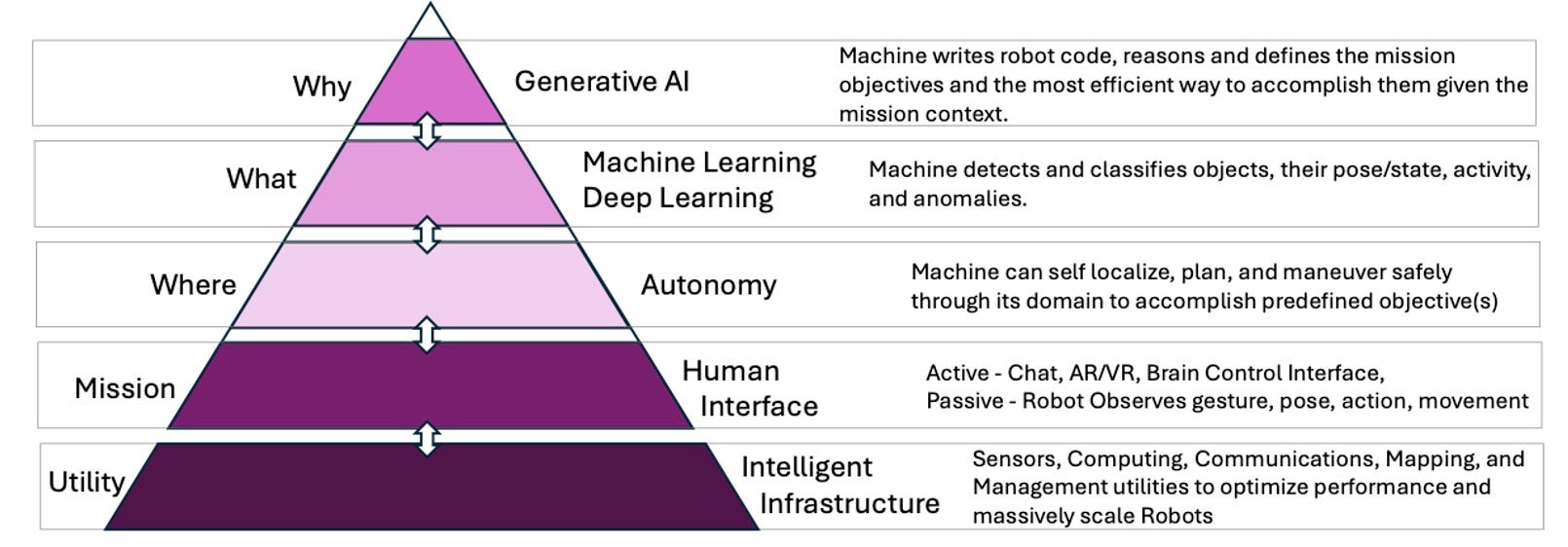
Figure 2 - AI enabled Autonomy and Human Interface enable another leap in capabilities
4.1 GenAI
Generative AI or Large Language Models (LLM)s are great at summarizing and writing code, and many other things. From a robot perspective, GenAI can also be used to plan, manage, control, and interact with drones and/or robots. Through GenAI a Human will be able to communicate to a robot and the robot will be able to communicate back.
During robot development the designer would ask the GenAI to provide a development plan. The GenAI would provide a summarized development plan with the major steps and recommend sequence. The designer could then ask the GenAI to recommend a robot design that could accomplish a mission given a few key mission parameters. The human designer could then select a preferred design and then ask the GenAI to provide a detailed hardware and software design. The designer could then ask the GenAI to write the software and create the 3D CAD models for the chosen design. During the manufacturing and assembly process the GenAI would work with humans and a smart workbench to efficiently assemble the new robot.The smart Ai enabled workbench[1] would use a variety of sensors (e.g., computer vision, torque gauges, etc..), Machine Learning (ML) algorithms and instruction manuals to help humans assemble the new robots.The smart AI enabled workbench would accelerate production rates, improve quality and reduce training time.At each step of the process the smart workbench would perform continuous quality control, correct errors on the fly, and document the results.Plus, it would rapidly train people on the assembly process with AI guided learning.This would substantially reduce training time, allow lower skilled people to perform assembly processes, and increase overall productivity. Moreover, the GenAI could be used in concert with ML algorithms to help predict and plan production, supply chain, material, human resource demands as well as order and fulfillment.
During operations, GenAI will play a central role in almost every aspect of the robot’s operation from fleet management, planning, dispatch, operations, software and hardware maintenance, sustainment, and more. This will be possible over a wide range of mission states from pre-mission planning to reporting. For example, an operator might ask an LLM to plan a sUAS building inspection mission. Because GenAI can summarize the important parts of a building and the capabilities and limits of a drone, it would be able to create an efficient mission plan to inspect the most important parts of the building. This planning concept can be scaled to a neighborhood, city, country, or larger areas. From a human’s perspective it could be as simple as sending a text or chat to the GenAI saying, “Make plan to inspect this building.” The GenAI would build the plan in seconds and send it back the human in both text and machine ready formats. The text might read, “Plan ready”. The machine ready formats would be in whatever format the operators use to visualize the plan and mission plan format the drone ingests.
During the mission, the GenAI could chat important observations the operator. During the maintenance, sustainment, and update phase, GenAI integrated with ML algorithms would help with maintenance, repairs, and software/security updates. It would monitor the robot’s performance and identify maintenance issues, recommend repairs, help make those repairs with a tactical smart workbench, order or make new parts, and update software to maximize operational effectiveness.
GenAI will ultimately touch every part of a robotic systems operations over its life time.
4.2 Autonomy
Autonomy helps robots continuously map, plan, and move safely through their environment. The core function of an Autonomy stack is called Simultaneous localization and Mapping (SLAM). Autonomy stacks are good at continuously creating local 3D maps, locating themselves on the map, planning the best route, and moving within that map to accomplish their objective. Most autonomous platforms use stereo cameras to create 3Ds depth maps of their immediate area. Some autonomous platforms fuse Lidar, radar and stereo cameras to create their 3D depth map. Most autonomous systems also depend on GPS/GNSS to help them locate themselves on a larger map.
4.3 Machine Learning (ML)
Machine Learning algorithms can be used in a wide variety of robot applications.Here are just a few examples.ML can be used to detect, classify, and locate objects observed by the drones’ sensors.This can be simple things like cars, people or street signs.ML can also be used to detect and classify a person’s pose, gestures, or basic actions (e.g., walking, running, riding, fighting, etc...). ML can also be used in the very frontend of sensors to improve sensor performance, swarm tipoff and cross-cueing, array optimization[1], modulation classification[2], and the ability of those sensors to detect signals or pixels that can then be used to enhance object detections. ML is also very effective at helping detect complex maintenance7 issues and recommend corrective actions. Plus, ML can be used to enhance cyber capabilities by by detecting complex anomalies and recommending course of action to fix those issues. The ML cyber code could cue the GenAI Cyber system to write new code to fix the cyber issue. ML working collaboratively with GenAI is a very powerful combination.
4.4 Human Machine Interface
An exciting array of user interfaces are now available for humans to interface with machine, figure 3. These include First Person View (FPV), Augmented Reality (AR)/ Virtual Reality (VR), motion control, and others. In the past, humans had to watch Drones and then decide what to do next. Now it is possible for Drones to also watch us and respond to what we are doing. This could be as simple as detecting our location and tracking us. Many action photography Drones do this already today. Another technique is gesture control where the drone watches our hand gestures and responds. An amazing array of passive control options are now available because the Robot can also watch us to try and determine our intentions. Additionally, GenAI now makes it possible for humans and machines to communicate. GenAI help humans communicate with robots and for robots to explain what they are doing and why. Finally, revolutionary new brain control interfaces are emerging that will blend humans and machines in ways we never thought possible. The key will be finding the right balance of Human Machine Interface for specific use cases. This will be particularly important as Robots become more autonomous and intelligent. How do we monitor an autonomous robot and understand its status and intentions with minimal human effort? How do we manage them to accomplish our desired objectives?

Figure 3 – A revolution in Human Machine Interface will enhance operational performance
4.5 Intelligent Infrastructure & Supermap
The previous 4 technologies will result in a major leap in robot capabilities. However, to massively scale the adoption of robots an intelligent infrastructure will also be required. Even rudimentary remote-controlled
UAVs, used for the last 30 years have required substantial ground infrastructure, GPS/GNSS, and dedicated communications and large teams of people to operate. The early UAV command and control was one mind-one mission. This concept does not scale and is not feasible with large numbers of intelligent robots. Separately, every Autonomous Vehicle manufacturer is trying to build their own map of the world to enable their own proprietary system. This is very difficult, very expensive, and has slowed the introduction of AVs to the market. Even Google/Streetview/Waymo with essentially unlimited investment has not created a map that can be used by all. The local maps created by robots will be the most precise maps of the earth that have ever been created with millimeter accuracy in 3D. It is imperative that we systematically capture and fuse these maps into a Supermap which can used as an alternative to GPS. It is imperative that the Supermap can be used by all authorized users similar to GPS. But a Supermap is not all that is needed. Autonomous robots also require an integrated set of fixed sensors, communications, processing, and storage to help robots move safely and efficiently through our heterogeneous vehicle world. Therefore, the Government will need to eventually provide an Intelligent Infrastructure for robots to scale massively. This concept is not new. It is the same concept as the Federal-Aid Highways Act of 1956 that created Interstate Highways or the Telecommunications Act of 1996 that helped create the Internet. Think of the Intelligent Infrastructure as stationary robots whose purpose is to help mobile robots move safely and efficiently. This new intelligent infrastructure must be a utility that can be used by all to foster innovation and scale massively.
An exponential increase in capability will result in the integration of the first four capabilities into robotic platforms and systems.Adding the 5th capability, Intelligent Infrastructure, will accelerate the development and operationalization of robots on a massive scale safely and become the key enabler for the 4th industrial revolution.
5 Robot Centric Warfare
The Drone Wars in the Ukraine and the Middle East are just the tip of the iceberg and a foreshadowing of what comes next. This next wave of emerging technologies will rapidly be used on the battlefield by any country that wants to apply them. This will usher in a new era of Robot Centric Warfare. It is imperative that the US military have the most robust Robot Centric Warfare capabilities in the world. The US can do this by blending Robots with the next wave of AI and Autonomy technology and Network Centric Warfare machine-to-machine collaborative concepts into Robot Centric Warfare (RCW), figure 3. Many of the core NCW machine-to-machine concepts work better with smarter AI-enabled autonomous systems. We explore the potential rules for robot-to-robot (R2R) collaboration in appendix B.
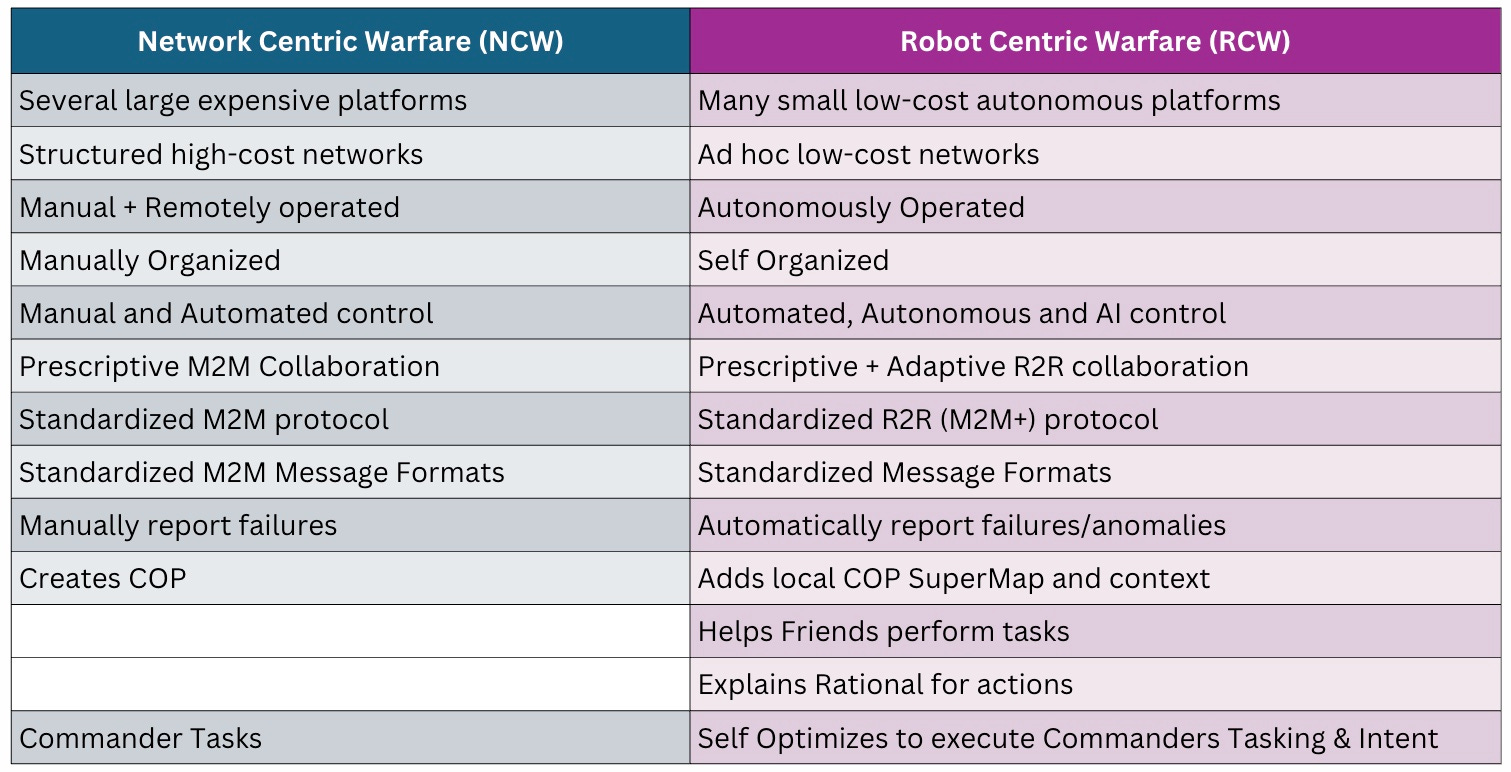
Figure 3 – Robot-Centric Warfare is a natural extension of Network-Centric Warfare
One of the biggest challenges for Western societies will be finding the proper balance of human-machine interaction, given this new wave of AI-enabled autonomous robots. Are humans on the loop, in the loop or out of the loop? How do we decide? We offer a possible framework for informing the level of human interaction we might want to achieve, Figure 2. We also need to consider the Human-Machine Interface. Is it AR/VR, is it chat, is it voice, is it gesture or pose, or GenAI HMI translators? All these options are available and being explored today.
However, they are not all equally available in hostile combat environments with electronic warfare and cyber effects. So, we must consider the art of the possible in combat scenarios where communications with the robot may be intermittent or non-existent because of adversarial Electronic Warfare (EW) and/or cyber-attacks. EW attacks will easily knock out GPS/GNSS and C2 datalinks. This is one of the drivers for moving to autonomous platforms. Additionally, autonomous systems have many sensors, processing, networking and communications which translates to a very large cyber-attack surface. We will need better ways to experiment on new operational concepts and test robots in realistic EW and Cyber threat environments.
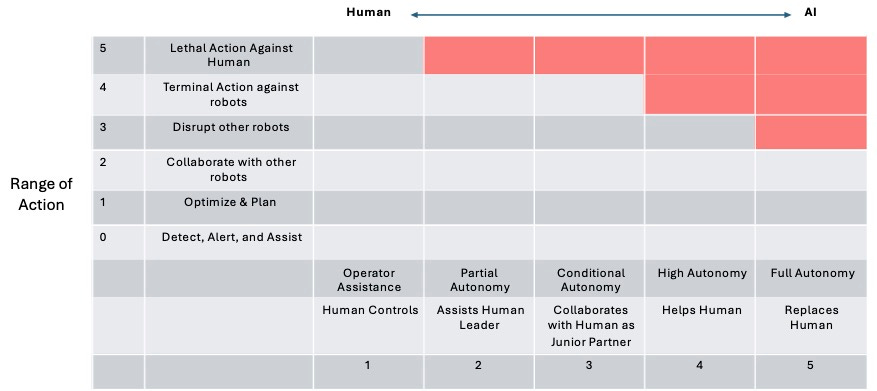
Figure 4 - A potential framework for deploying AI enabled Autonomous Robots
We must also consider how raidly authoritarian countries that have less concern about potential adverse effects will adopt autonomous robots. We saw evidence of commanders from communist and authoritarian countries being able to take remote control of advanced 3rd and 4th generation fighters. Authoritarian forms of government may be more likely to trust a machine than a human that might defect. This may result in our adversaries adopting RCW significantly faster than the US.
6 Why did the US fall behind in Drones?
It is important that we understand how the US fell behind so that we use that knowledge to leap ahead. We will examine a few of the primary reasons why the US fell behind. There are numerous reasons but here are the issues that are most relevant to drones.
6.1 Focus on high margin software
The U.S. focus on software development has its roots in several key historical and technological shifts. Here’s a rundown of how and why software became such a dominant industry in the U.S.:
6.1.1. Post-WWII Military and Scientific Computing
The seeds of American software focus were sown during and after World War II. The U.S. government invested heavily in computing technologies for military applications, such as codebreaking and ballistic calculations. Machines like the ENIAC (1945) were among the first electronic computers, and while they were initially hardware-oriented, the need for reliable software became apparent to manage complex tasks. This led to foundational developments in programming and systems control, with many post-war institutions—especially universities and labs—beginning to formalize computer science as a discipline.
6.1.2. The Cold War and Space Race - During the Cold War, the U.S. government poured resources into technology to outpace the Soviet Union, particularly in space exploration. NASA’s Apollo program, for example, required cutting-edge software for guidance and navigation. As a result, software engineering emerged as a critical field, pushing advancements in programming languages and system design to support these high-stakes missions.
6.1.3. Birth of Silicon Valley in the 1970s and 1980s - By the 1970s, Silicon Valley had become a hub for innovation thanks to companies like Hewlett-Packard, Fairchild Semiconductor, and Intel. Although initially more hardware-focused, the growing presence of microprocessors led to a need for software to unlock their potential. Companies such as Microsoft (founded in 1975) and Apple (founded in 1976) were early pioneers in creating software for personal computers, making it clear that software could drive massive demand.
6.1.4. PC Revolution in the 1980s and 1990s - As personal computers became widespread in the 1980s, software for productivity, games, and operating systems became increasingly important. Microsoft’s dominance with its MS-DOS and later Windows operating systems revolutionized the software landscape. This era also saw the growth of software companies like Adobe, Oracle, and others, which developed applications for businesses, academia, and creative professionals. The U.S. quickly became the global leader in software exports.
6.1.5. Rise of the Internet and Dot-Com Boom - In the 1990s, the internet transformed the software industry yet again, expanding it beyond traditional desktop software to web-based applications. Companies like Netscape, Yahoo!, and later Google emerged, capitalizing on the internet’s potential. The U.S. government’s support of the internet as an open platform, alongside Silicon Valley’s venture capital ecosystem, led to a new wave of innovation focused on digital services and applications.
6.1.6. Mobile and Cloud Computing in the 2000s and Beyond - The release of the iPhone in 2007 marked the beginning of the mobile app era, transforming how people interacted with technology. Companies like Google, Apple, and later app-based giants like Uber and Facebook leveraged the mobile platform, with software development central to their success. Meanwhile, cloud computing emerged, allowing software to be accessed on-demand from anywhere, boosting the SaaS (Software as a Service) model. U.S.-based companies like Amazon (AWS), Microsoft (Azure), and Google Cloud have become dominant in cloud services, further embedding software in the economic landscape.
6.1.7. Artificial Intelligence and Machine Learning Focus - In recent years, the push toward AI and machine learning has only amplified the focus on software. The U.S. remains at the forefront of these technologies, with companies like OpenAI, Google, and IBM pioneering advancements in AI software for various industries.
6.1.8 Why the U.S. Remains a Software Powerhouse
- Economic structure: The U.S. economy, especially in recent decades, has shifted toward high-tech services, with software as a key driver.
- Education and R&D: Leading U.S. universities and significant R&D investments in software fields have created a steady flow of skilled developers and innovators. - Culture of Entrepreneurship: Silicon Valley’s ecosystem encourages risk-taking and innovation, making it a global leader in tech startups and software development.
In essence, the U.S. became increasingly focused on software as technological advancements, government investments, and the rise of Silicon Valley aligned to position it as a critical industry that would eventually drive both the economy and global influence. However, the downside of a focus on high margin software was our loss of hardware and manufacturing expertise.
6.2 Lack of advanced manufacturing capabilities
U.S. companies began to outsource manufacturing to China in the late 1970s and early 1980s, but this trend intensified in the 1990s and early 2000s. Here’s a brief overview of the timeline and reasons:
6.2.1 China Economic Reforms In 1978 - China launched major economic reforms, shifting from a strictly planned economy to a more market-oriented system. These changes included opening to foreign trade and investment, establishing Special Economic Zones (SEZs), and creating favorable conditions for foreign businesses. Early
Manufacturing and Assembly: Initially, U.S. firms set up operations in places like Hong Kong, Taiwan, and South Korea. However, as China’s SEZs took off, companies gradually moved manufacturing to cities like Shenzhen, which offered cheaper labor costs and tax incentives.
6.2.2 China’s Further Economic Liberalization - During the 1990s, China continued its reform policies, further liberalizing the economy. This included reducing barriers to foreign investment and increasing the number of SEZs. The low-cost workforce, supportive infrastructure, and growing industrial base attracted multinational companies.
6.2.3 NAFTA and Globalization Trends - Globalization accelerated throughout the
1990s, and the North American Free Trade Agreement (NAFTA), which was signed in 1994, made offshoring more attractive as companies looked for ways to remain competitive by leveraging low-cost labor in foreign markets.
6.2.4 Supply Chain Integration - Advances in logistics and communication made it easier to manage long-distance supply chains, making China a viable manufacturing hub for U.S. companies across various industries, especially in electronics and consumer goods.
6.2.5 China Joins the World Trade Organization (WTO) - In 2001, China joined the WTO, which was a critical turning point. This allowed China to participate more fully in the global economy, giving U.S. companies greater access to Chinese manufacturing and reducing tariffs on goods exported to the U.S. and other markets.
6.2.5 Expansion Across Industries - With the stability provided by WTO membership, U.S. companies from many sectors—including technology, textiles, automotive, and consumer electronics—rapidly expanded their manufacturing operations in China. This was the period when outsourcing became a core part of corporate strategies for costcutting.
6.2.6 Peak Outsourcing - By the 2010s, China had become the world’s largest manufacturing hub, as U.S. companies continued outsourcing in pursuit of lower costs and improved efficiency.
6.2.8 Shift to Reshoring - Due to Rising Costs and Geopolitical Tensions: Since the mid-2010s, rising labor costs in China and growing geopolitical concerns have led some companies to consider “reshoring” (bringing jobs back to the U.S.) or “nearshoring” (moving manufacturing closer, often to Mexico or Southeast Asia). Trade tensions and tariffs, particularly under the Trump administration, accelerated this trend.
The U.S. began to outsource manufacturing to China gradually in the late 1970s and 1980s, expanded significantly in the 1990s, and peaked in the 2000s after China’s WTO accession. This outsourcing trend has been evolving recently, with companies diversifying their supply chains to reduce reliance on China. It is essential for the US to reshore its advanced manufacturing capabilities for robots.
6.3 Why did the US Outsource Manufacturing?
It is important that we understand why the US outsourced manufacturing. The United States began outsourcing manufacturing primarily to reduce production costs, improve efficiency, and enhance competitiveness. Here are some of the main reasons behind the shift:
6.3.1. Cost Reduction and Access to Cheaper Labor - Manufacturing labor costs are significantly lower in countries like China, Mexico, and other parts of Asia compared to the U.S. Outsourcing allowed companies to leverage lower wages abroad, reducing overall production costs and increasing profit margins.
6.3.2. Globalization and Trade Agreements - In the late 20th century, globalization opened new markets and enabled the flow of goods and services across borders. Trade agreements, such as NAFTA (North American Free Trade Agreement) and China’s entry into the World Trade Organization (WTO) in 2001, made it easier for companies to move manufacturing overseas by reducing tariffs and trade barriers.
6.3.3. Focus on Core Competencies and R&D - Many U.S. companies shifted focus to higher-value activities like research, development, and marketing, where they could create competitive advantages. By outsourcing manufacturing, companies could allocate more resources to innovation and the development of new technologies, leaving production to specialized manufacturing firms abroad.
6.3.4. Efficiency through Specialization and Supply Chain Management - Countries like China have developed highly specialized manufacturing hubs, offering a range of suppliers and assembly services in close proximity. This clustering effect allows for efficient supply chains, quicker production cycles, and the ability to scale up or down based on demand, which are difficult to replicate in the U.S.
6.3.5. Access to Foreign Markets and Local Expertise - Establishing manufacturing abroad allows companies to access and better serve foreign markets. By producing closer to emerging markets, companies can avoid certain import/export costs and navigate local regulations more easily. In addition, local expertise in manufacturing has helped streamline production processes and reduce lead times.
6.3.6. High Costs of Environmental and Labor Regulations in the U.S. - Stringent labor laws, environmental regulations, and health and safety standards in the U.S. increase manufacturing costs. Many countries where manufacturing was outsourced have more lenient regulations, enabling lower compliance costs and reducing overhead for companies.
6.3.7. Consumer Demand for Affordable Products - Outsourcing allows for cheaper goods, which has been in line with consumer demand for affordable products. Competitive pricing became crucial, especially as international companies began competing with U.S. companies by producing goods more affordably overseas.
6.3.8. Technological Advances in Communication and Transportation - Advances in communication technology and the efficiency of global transportation made it much easier to manage overseas operations. Improved logistics systems, container shipping, and digital communication tools have enabled U.S. companies to coordinate manufacturing across different countries with ease.
The drive for efficiency, cost control, and focus on high-value innovation activities led many U.S. companies to outsource manufacturing, fundamentally transforming global production networks.
6.4 Big Platform Syndrome (BPS)
The U.S. Department of Defense (DoD) focuses on large, complex platforms—such as aircraft carriers, fighter jets, submarines, and missile defense systems—because of the strategic and operational benefits they offer. Here are several key reasons behind this emphasis on big platforms:
6.4.1. Deterrence and Power Projection - Large platforms, particularly those with high visibility like aircraft carriers and advanced aircraft, serve as symbols of military strength.
They help deter adversaries by projecting power globally and demonstrating U.S. capabilities and readiness. The presence of a U.S. aircraft carrier, for instance, can influence the behavior of other nations and signal U.S. interest in a region without direct confrontation.
6.4.2. Strategic Flexibility and Multi-Mission Capabilities - Large platforms often provide versatile, multi-mission capabilities that make them adaptable to different types of conflicts. For example, an aircraft carrier can support airstrikes, serve as a floating hospital, or coordinate disaster response efforts. This flexibility allows the DoD to respond to a range of potential threats with a single asset, which can be strategically advantageous.
6.4.3. Force Multiplication Through Networked Systems - Modern big platforms are networked and integrated with advanced sensors, weapons systems, and communication capabilities. This connectivity allows them to serve as command-andcontrol centers for multiple types of operations. Platforms like the F-35 fighter jet, for example, are designed not only to carry out missions independently but also to coordinate with other assets, effectively multiplying their impact.
6.4.4. Technological Superiority and Capability Advantages - The DoD places a premium on maintaining technological superiority over potential adversaries, and big platforms often house cutting-edge technologies that give the U.S. a battlefield edge. From stealth capabilities on bombers to advanced radars and missile defense systems, large platforms incorporate technology that enhances situational awareness, survivability, and lethality.
6.4.5. Global Reach and Sustainment - The U.S. military is unique in its global reach, and big platforms enable the DoD to operate anywhere in the world. Aircraft carriers, for instance, allow for sustained air operations without needing to rely on foreign bases, providing operational independence. Submarines and long-range bombers also provide the ability to operate far from U.S. shores, sustaining long-range deterrence and quickresponse capabilities that are key for U.S. global strategy.
6.4.6. Industrial and Economic Considerations - The production of large platforms sustains a vast industrial base and numerous jobs, especially in key sectors like aerospace and shipbuilding. This contributes to the U.S. economy and maintains critical defense manufacturing capabilities. The focus on big platforms supports long-term research and development efforts, which often trickle down to civilian technology sectors.
6.4.7. Political and Institutional Momentum - Many of these platforms have longstanding support within the military and political leadership due to their historical success and roles. Programs for major platforms like aircraft carriers and fighter jets involve significant funding, long-term planning, and bipartisan support in Congress. There is also institutional momentum: the military services have organized their doctrines, training, and logistics around these platforms, making a shift away from them difficult without a massive reorganization.
6.4.8. Countering Peer Competitors - As the U.S. faces rising strategic competition from near-peer rivals like China and Russia, platforms that can operate in contested environments—such as stealth bombers and advanced missile systems—become even more critical. Large platforms allow the U.S. to counter specific threats from these adversaries, like China’s emphasis on anti-access/area denial (A2/AD) capabilities in the Indo-Pacific.
6.4.9 Challenges and Evolving Focus - While big platforms remain central, the DoD is increasingly focusing on new, adaptable strategies to face modern threats. The emphasis is shifting slightly toward:
- Distributed, smaller, and unmanned systems: The DoD is experimenting with drones, AI-enabled systems, and smaller assets to diversify its force and increase resilience.
- Cyber and information warfare: Recognizing that future conflicts may heavily involve cyber and electronic warfare, the DoD is investing in more digital and software-driven defenses.
In essence, the focus on large platforms comes down to the combination of strategic deterrence, flexibility, technological edge, and the ability to project power globally. However, the DoD is attempting to balance this traditional focus with emerging approaches to stay effective against evolving threats. The Ukraine and Middle East conflicts have proven the need to shift a significantly larger portion of their portfolio to AI enabled robotic systems and RCW.
6.5 The Downside of Venture Capital
In the early 2000s, the DOD recognized the need for innovation and start to shift to Silicon Valley and the venture capital model. While Venture Capital (VC) can be a powerful engine for startup growth, it also comes with significant downsides and trade-offs. Here are some key challenges and risks associated with Venture Capital:
6.5.1. Loss of Control and Ownership - VC funding often requires giving up equity in the company, meaning founders dilute their ownership stake in exchange for capital. As multiple rounds of funding occur, founders may lose a substantial portion of ownership. Investors often get board seats or influence key business decisions, which can lead to conflicts over the company’s direction, particularly if founders and investors have different visions.
6.5.2. Pressure for Hyper-Growth - Venture capitalists seek high returns, often aiming for a 10x return or more within a relatively short timeframe (5-10 years). This puts enormous pressure on startups to grow at an accelerated pace, often prioritizing rapid scaling over steady, sustainable growth. The focus on hyper-growth can lead to unsustainable business practices, high cash burn rates, and prioritizing market share over profitability. Many startups that fail experience this because they’re forced to scale too quickly without establishing a stable foundation.
6.5.3. High Expectations for Exit - VCs typically want a significant return on their investment, which usually means either an initial public offering (IPO) or acquisition. This expectation can limit founders’ options for long-term business planning, pushing them toward an exit even if they’d prefer to keep the business private. Not all businesses are suited for IPOs or acquisitions, and being forced into an exit can result in founders losing control or compromising their original vision.
6.5.4. Focus on a Small Number of Winners - VCs usually invest in a portfolio of startups, knowing that most will fail but a few will generate massive returns. This can lead to a “winner-takes-all” mentality, where VCs may give more support to startups that show early promise and withdraw from others. Startups that don’t become the “chosen ones” may find themselves in a difficult spot, as VCs may push them to shut down or pivot away from their original idea.
6.5.5. Short-Term Thinking and Misaligned Incentives - Venture capital investments often come with deadlines and milestones. This short-term focus can lead to decisions that are beneficial in the near term but not necessarily in the long term. The incentives of VCs and founders can sometimes be misaligned, with VCs prioritizing an exit or a particular revenue milestone rather than supporting slower, sustainable growth or innovations that may take time to develop.
6.5.6. Impact on Company Culture - The pressure to grow rapidly and meet investor expectations can negatively affect company culture. Many startups find themselves prioritizing growth metrics over employee well-being, product quality, or customer satisfaction.
- High-stress environments and rapid hiring to meet scaling demands can also lead to high turnover, eroded company values, and a lack of cohesion among teams.
6.5.7. Increased Risk of Failure and Burnout - Since VC-backed startups are typically encouraged to grow and scale aggressively, they often operate with a high cash burn rate. This leaves them vulnerable to failure if they can’t secure additional funding or reach profitability in time. Founders and employees may face high levels of stress and burnout from the constant pressure to perform and meet funding milestones, often sacrificing work-life balance and mental health in the process.
6.5.8. High Expectations for Valuation - Venture capital investments often drive up a company’s valuation in successive funding rounds. This can lead to inflated valuations, which create challenges in later stages if the company can’t maintain that valuation or justify it to the market. An overvalued startup can struggle if market conditions shift or if the anticipated growth fails to materialize, potentially resulting in a “down round” (where valuation is lowered in future funding), which can demoralize employees and impact reputation.
6.5.9. Reduced Flexibility for Future Funding - Once a company accepts venture capital, it may have a harder time seeking alternative funding sources or slower-growth strategies. The need to keep scaling may restrict a company from considering revenuegenerating approaches that don’t align with VC goals. Some startups find themselves in a perpetual cycle of needing more funding to maintain operations and meet growth targets, reducing flexibility in decision-making and creating dependency on outside capital.
6.5.10. Potential for Forced Pivots or Acquisitions - VCs may push a startup to pivot to a new business model or target market if they believe it will yield faster or greater returns. This can lead founders away from their original mission or vision, especially if they are under financial pressure. Additionally, investors may push for an acquisition if they believe it’s the best way to realize a return, even if the founders aren’t ready to sell or if the company could benefit from staying independent longer.
While Venture Capital can provide the resources, network, and momentum needed to scale a company, it often comes at the cost of control, flexibility, and a relentless push for growth. Not all startups are suited to the high-risk, high-reward approach that venture capital entails, and founders should carefully weigh whether this funding model aligns with their business goals and values.
7 Robot Superpower Roadmap
Now let’s shift our focus to how we become a Robot Superpower. There are three key steps to becoming a Robot Superpower: 1) Create a thriving Robot Ecosystem, 2) Rebalance the investment portfolio, and 3) Bootstrapped companies. Let’s take a closer look at each of these steps.
7.1 Create a Thriving Robot Ecosystem
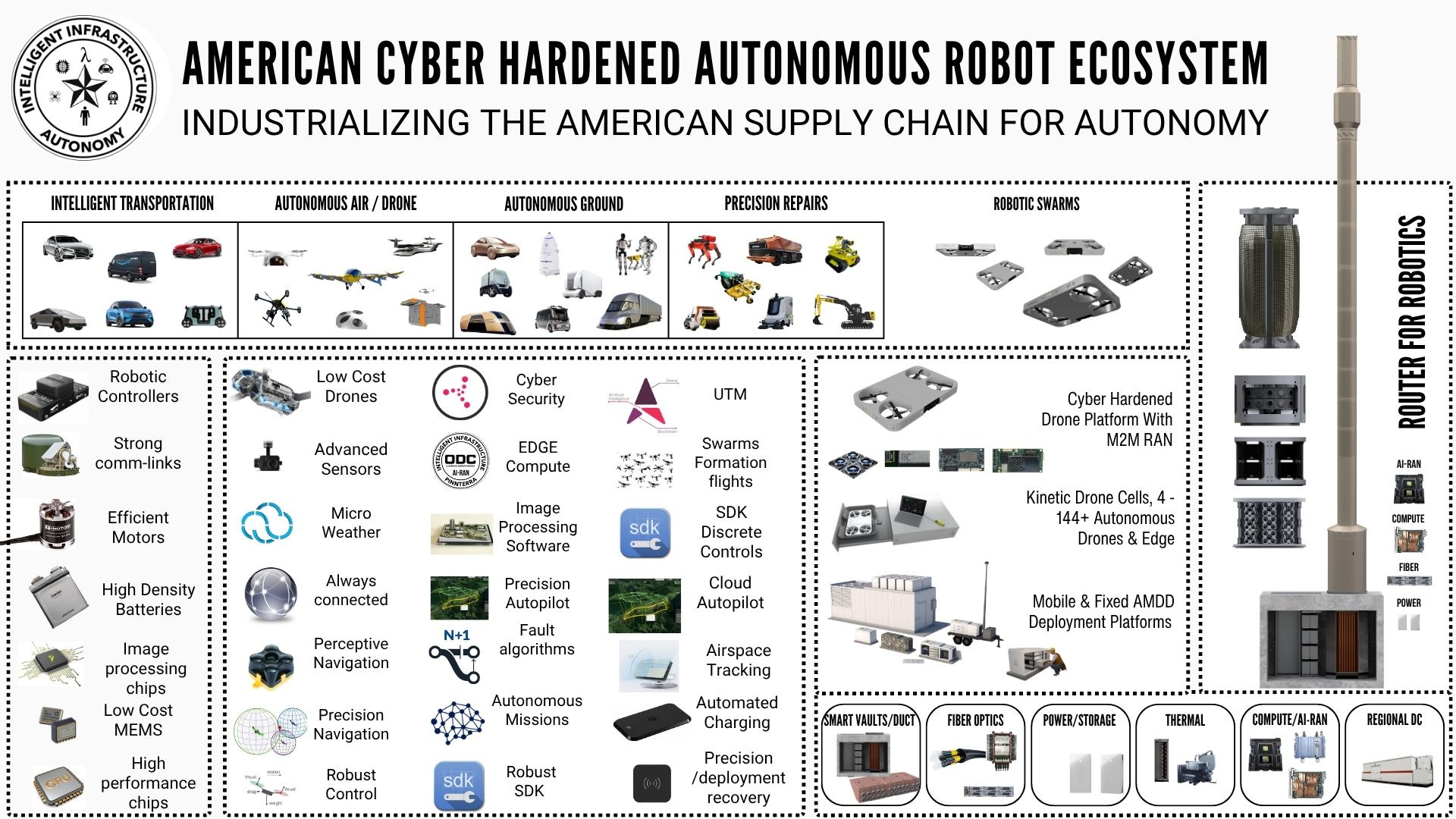
The US Military will only be able to create a robust RCW capability if a thriving robot ecosystem exists within the US. Unfortunately, one does not exist in the US today. It will take focused national effort with substantial funding to create a thriving robot ecosystem with the necessary people, process, and technology to put it into business practice at a massive scale, Figure 5. All 3 elements are needed to create a robust sustainable robotic ecosystem for the DOD and broader economic benefit of society. We should also learn lessons from our competitors. The Chinese did a good job setting up major advanced manufacturing hubs to create a thriving drone ecosystem. We should learn from that and find ways to improve that model.
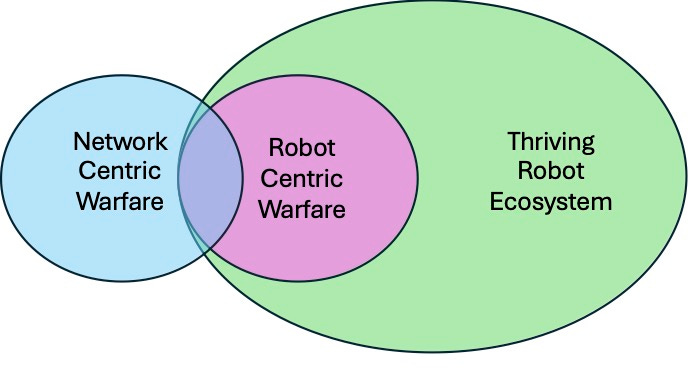
Figure 5 – Creating Robot Ecosystems in the US must become a national imperative
Creating the key elements of a thriving robot ecosystem will require focused public and private investment to create several robot hubs across the country, Figure 6. Due to the strategic significance of Robots the US should have at least three hubs in each domain; air, land, sea, and space domains.
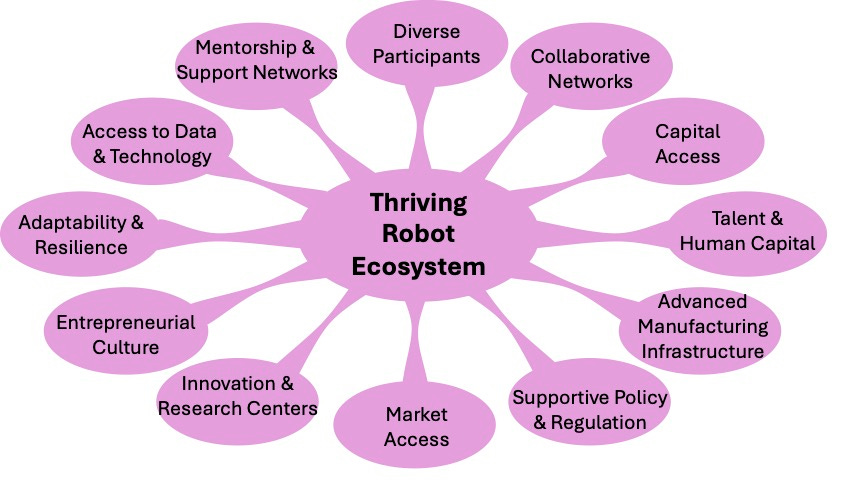
Figure 6 – A thriving business ecosystem is a network of organizations, individuals, and resources that collectively support growth, innovation, and resilience.
A thriving business ecosystem is a network of organizations, individuals, and resources that collectively support growth, innovation, and resilience. It resembles a natural ecosystem where interdependent entities work symbiotically to sustain the overall system. Key elements of a thriving business ecosystem include:
7.1.1. Diverse Participants & American Maker Corps - This includes businesses of different sizes, such as startups, established companies, suppliers, distributors, investors, government bodies, educational institutions, and consumers. Diversity fosters innovation and resilience. Establish an American Maker Corps (AMC) – The US FIRST Robotics and Drone Racing League has created a huge untapped pool of skilled people. Plus, home 3D printers and CNC machines have created a massive distributed manufacturing capability. We should leverage the Ride Sharing Business Model with the AMC to create a new Distributed Defense Industrial Base. The AMC should be tasked to rapidly make AI enabled Autonomous Robots on a massive scale.
7.1.2. Collaborative Networks - Connections among ecosystem members encourage knowledge sharing, partnerships, and co-innovation. Collaboration can take the form of formal alliances, joint ventures, or informal knowledge exchanges.
7.1.3. Access to Capital - Access to different sources of funding, such as Venture Capital, angel investment, private equity, and government grants, is crucial for growth and innovation. A healthy ecosystem provides the right financial resources at different stages of a business’s lifecycle.
7.1.4. Talent and Human Capital - Skilled and diverse talent is a foundation of any successful business ecosystem. An ecosystem that nurtures talent through education, training, and mentorship programs strengthens the workforce and drives business success.
7.1.5. Advanced Manufacturing & Infrastructure - Advanced manufacturing, which involves highly automated, data-driven, and flexible production processes including Automation and Robotics, Additive Manufacturing (3D Printing), Artificial Intelligence (AI) and Machine Learning, Digital Twins, and more. (See Appendix A for more details) This all must run on reliable physical and digital infrastructure is essential. This includes transportation, telecommunications, internet connectivity, office spaces, and co-working hubs, as well as platforms that support collaboration.
7.1.6. Supportive Policy and Regulation - Pro-business government policies and regulations provide a stable environment for businesses to operate. Supportive policies can include tax incentives, trade agreements, intellectual property protection, and ease of business regulations.
7.1.7. Market Access - A thriving business ecosystem has strong links to local and global markets, enabling companies to reach a broad customer base. Market access allows businesses to grow and scale, bringing in revenue to fuel further innovation.
7.1.8. Innovation and Research Centers - Universities, research institutions, and think tanks promote R&D, helping businesses stay competitive. These centers often act as incubators for new ideas and technologies.
7.1.9. Entrepreneurial Culture - A culture that embraces risk-taking, creativity, and entrepreneurship is vital for a thriving ecosystem. This culture encourages individuals to start new ventures and supports them in the face of challenges.
7.1.10. Adaptability and Resilience - The ability to adapt to market changes, technological advancements, and disruptions is essential. A resilient ecosystem has structures and support systems that enable businesses to pivot and survive during crises.
7.1.11. Access to Data and Technology - Reliable data, analytics, and cutting-edge technology like AI, IoT, and blockchain give companies a competitive edge, allowing them to make informed decisions and streamline operations.
7.1.12. Mentorship and Support Networks - Access to mentors, advisors, and experienced entrepreneurs helps newer businesses navigate challenges. Networking organizations, incubators, and accelerators can provide invaluable guidance and support.
A healthy business ecosystem integrates these elements to create an environment that not only sustains individual businesses but also promotes continuous evolution, supporting the growth and well-being of the whole system. The US must embrace a comprehensive approach to accelerate the creation of the robot ecosystem.
7.2 Rebalance the Investment Portfolio
The US Governments investment portfolio should be rebalanced to focus significantly more funds on AI enabled Autonomous Robotic Systems and the RCW concepts they will enable. The Robot Race will be like the Space Race but will cross all domains and will not be just software. Even though the DoD has shifted $1-2B into AI and autonomous systems, that is insignificant in the larger $800B annual spend. The DOT must help establish the intelligent infrastructure and Super Map to massively scale autonomous vehicles (robots). NASA and the FAA must help in extending robotics more robustly into the airspace and space. The Department of Education (DOE) must employ AI and Robotics as educational tools and make sure we have a skilled robotic work force at all levels. The DOJ must establish the rules for Robot policing. If we do these things, it will ignite the 4th industrial revolution.
7.3. Bootstrapped is Better
Bootstrapped companies are a better fit for the DoD. The DoD should implement policies that reward Bootstrapped Companies. A bootstrapped company— one that’s self-funded or financed through its own revenue rather than external investors—often enjoys unique advantages that can set it up for long-term success. Here are some reasons why bootstrapping can be a better choice for certain types of businesses:
7.3.1. Full Control and Autonomy - Retained Ownership: When founders bootstrap, they keep full ownership of the company, meaning they make all the key decisions. This allows them to stick closely to their original vision without external pressures to pivot, scale rapidly, or pursue an early exit. Aligned Vision and Goals: With no investors pushing for specific outcomes, founders have the freedom to align the company’s goals with their values, creating a more purpose-driven organization.
7.3.2. Focus on Profitability and Sustainable Growth - Revenue-Driven Decisions: Bootstrapped companies must generate revenue from the start to sustain operations, which often encourages more disciplined financial practices and a focus on profitability from early on. Sustainable Growth: Rather than being pressured into hyper-growth, bootstrapped companies can grow at a natural pace, creating a stable foundation that allows them to avoid issues like high cash burn and dependence on external funding rounds.
7.3.3. Reduced Risk of Dilution - No Equity Dilution: Founders retain 100% equity, which means they won’t dilute their ownership by giving shares to investors. This not only preserves their share in future profits but also keeps decision-making centralized and cohesive. Higher Value in Long Run: Because equity isn’t given up in early stages, if the company does eventually decide to take on investors, it often commands a higher valuation and keeps a more substantial portion of ownership.
7.3.4. Control Over Company Culture - Founders Set the Tone: Bootstrapped businesses can prioritize values that matter to the founders without external pressures to conform to investor demands, creating a work culture based on purpose rather than just profit. Employee Loyalty and Engagement: With a strong focus on core values and sustainable growth, bootstrapped companies often foster loyalty and a healthy work-life balance, which can lead to higher employee engagement and productivity.
7.3.5. Increased Flexibility and Stability - Adaptable Business Model: Bootstrapped companies can remain agile, making changes as necessary without requiring investor approval. This flexibility can be particularly beneficial in uncertain markets, where quick pivots might be essential. Stable Operations: Without the ups and downs of investment rounds, bootstrapped companies avoid the boom-and-bust cycle that can characterize VC-funded startups, providing stability for employees, customers, and stakeholders.
7.3.6. Long-Term Focus - Building for the Long Haul: Bootstrapped companies can focus on creating value over the long term, rather than chasing quick wins. This often results in a business that’s more resilient, as it’s built to weather tough times without needing to “scale at all costs.” More Strategic Growth Decisions: Rather than chasing growth metrics to please investors, bootstrapped companies can prioritize steady, strategic growth aligned with their long-term vision.
7.3.7. Avoiding Investor Pressures and High-Stakes Exits - No Forced Exit Strategy: Venture capital typically demands an exit within a set timeframe, such as a public offering or acquisition, which may not align with a founder’s long-term vision.
Bootstrapped companies are free to grow organically and exit on their own terms. Fewer Short-Term Pressures: Without external investors, founders can take the time they need to refine products, build strong customer relationships, and iterate on the business model. This can lead to a higher-quality product and a more sustainable business.
7.3.8. Healthier Financial Discipline - Efficient Use of Resources: Bootstrapping requires efficient budgeting and resource management, since every dollar counts. This can lead to a lean, disciplined approach to growth, where unnecessary expenses are minimized, and productivity is maximized. They also have Less Debt and Liability. Bootstrapped companies avoid accumulating debt or issuing convertible notes to investors. This allows them to be less burdened by financial obligations and more resilient during downturns.
7.3.9. Stronger Customer-Centric Focus - Bootstrapped companies rely on customers for revenue, so they tend to be more attuned to customer needs and satisfaction. This focus can drive loyalty and improve retention, as the company is deeply invested in delivering customer value. Without pressure to meet investor expectations, bootstrapped companies can focus on building a product that genuinely addresses customer pain points, often resulting in better product-market fit and a strong, loyal customer base.
7.3.10 Challenges of Bootstrapping - While there are many benefits, bootstrapping also has challenges. Without large capital infusions, growth may be slower, which could be a disadvantage in highly competitive or fast-evolving markets. Bootstrapped companies often operate with fewer resources, which can mean smaller marketing budgets, limited hiring, and slower R&D. Founders take on personal financial risk when self-funding the business, and it may take longer to achieve significant financial return.
In summary, bootstrapping can offer a more controlled, sustainable, and customer-focused path to success. While it requires more discipline and often sacrifices rapid growth, the long-term rewards—both financial and strategic—can make bootstrapping an attractive alternative, especially for founders who prioritize autonomy and stability.
8 Conclusion
The next wave of AI and Autonomy technology is available to all. It will usher in an era of Robot Centric Warfare. The US must reposition itself to create a thriving robot ecosystem and become a robot superpower. America has an amazing base of skilled people from US FIRST and DRL that should be leveraged to create a massive American Maker Corps and new industrial base. This will take a major coordinated effort by all branches of the US Government, Academia, and industry.
The key enablers for Advanced Manufacturing
Advanced manufacturing, which involves highly automated, data-driven, and flexible production processes, relies on several key enablers:
Automation and Robotics - Automation systems and industrial robots can perform repetitive and complex tasks with high precision, speed, and consistency. Collaborative robots (cobots), which work alongside human operators, enable flexible manufacturing and increase productivity in small-batch and customized production.
Additive Manufacturing (3D Printing) - Additive manufacturing allows for rapid prototyping, on-demand production, and creating complex geometries that would be challenging with traditional manufacturing methods. This enables faster design iteration, reduced material waste, and the ability to produce lightweight, customized parts for industries like aerospace, automotive, and medical devices.
Artificial Intelligence (AI) and Machine Learning - AI and machine learning enable predictive maintenance, quality control, and real-time process optimization. In advanced manufacturing, AI algorithms can analyze large datasets to identify patterns, predict equipment failures, and suggest process improvements, helping manufacturers optimize performance and reduce downtime.
Internet of Things (IoT) and Industrial IoT (IIoT) - IoT devices, including sensors and actuators, allow real-time data collection and monitoring of production environments. IIoT enables connected factories where machines and systems communicate, providing insights into equipment status, energy consumption, and supply chain logistics, and allowing companies to optimize processes and resources.
Big Data and Data Analytics - With large volumes of data generated by sensors, IoT devices, and production systems, data analytics enables deeper insights into operations. Manufacturers can use analytics to monitor product quality, improve yields, reduce waste, and understand customer preferences, helping to make more informed decisions.
Digital Twins - Digital twins are virtual representations of physical assets, processes, or systems, allowing manufacturers to simulate and analyze production systems in a digital environment. This helps optimize processes, test changes before implementing them, and predict outcomes, leading to reduced risks and increased efficiency.
Cloud Computing and Edge Computing - Cloud computing enables manufacturers to store, manage, and analyze large datasets in a scalable way, while edge computing allows data processing closer to the production floor for faster decision-making. These technologies support real-time analytics, facilitate data sharing, and reduce latency in time-sensitive applications.
Advanced Materials and Nanotechnology - Materials science advancements allow manufacturers to work with stronger, lighter, and more resilient materials, like composites, smart materials, and nanomaterials. These materials enable highperformance products, energy savings, and enhanced durability, opening new possibilities in aerospace, electronics, and automotive manufacturing.
Cybersecurity for Industrial Systems - As advanced manufacturing relies heavily on digital connectivity, robust cybersecurity measures are essential to protect systems from threats. Cybersecurity enablers include firewalls, intrusion detection systems, encryption, and other tools that help safeguard data and operational continuity.
Augmented Reality (AR) and Virtual Reality (VR) - AR and VR are used for training, maintenance, and design visualization. AR can assist technicians by overlaying digital information on physical components during maintenance, while VR can be used for immersive training and to simulate assembly processes, helping employees learn quickly and safely.
Flexible Manufacturing Systems (FMS) - FMS allows production systems to adapt to changes in product types and production levels, enabling quick shifts in manufacturing lines with minimal downtime. Flexible manufacturing uses modular equipment, reconfigurable work cells, and AI-based control systems to maximize adaptability in dynamic markets.
NextG Connectivity - High-speed 5G & 6G connectivity enhances real-time data transfer, remote control, and machine-to-machine communication. In manufacturing, 5G enables faster data exchange between connected devices, facilitating ultra-reliable, low-latency communication essential for autonomous robotics and digital twins.
Skilled Work Force that is affordable – Having a highly skilled work force is critical. Nothing works without well trained people. Having a highly skilled work force that is affordable may seem like a paradox. Fortunately, we can also use AI to help train and improve the quality of the workforce using lower-cost labor. See RaptaAI’s Super Coach as a great example on how to do this. https://rapta.ai
These enablers work together to create smarter, more adaptable, and resilient manufacturing environments that can respond rapidly to changes in demand, optimize resources, and reduce environmental impact.
Recommended rules for robot-to-robot collaboration to help humans accomplish tasks
For robots to collaborate effectively and help humans accomplish tasks, a set of rules is needed to ensure safe, efficient, and adaptable interactions. These rules should be designed with the goals of enhancing productivity, ensuring safety, and fostering flexibility in how robots work together and interact with humans. Here are some foundational rules for robot-to-robot collaboration:
Prioritize Human Safety
Rule: Robots must prioritize human safety at all times, even if it means temporarily pausing their task or collaboration.
Explanation: Safety should always come first. If a human enters an area where robots are collaborating, they should halt or reduce their operations to avoid any potential hazards.
Maintain Clear Communication
Rule: Robots must communicate their actions, status, and intentions to each other and, when necessary, to humans.
Explanation: Clear, continuous communication reduces confusion and ensures that all robots are aware of each other’s actions. Communication could involve status updates, alerts, and action acknowledgments, using shared protocols that each robot can understand.
Follow Established Protocols for Task Delegation and Coordination
Rule: Robots should follow predefined protocols for task allocation, prioritization, and coordination to avoid conflicts.
Explanation: Each robot should understand its role within a collaborative task, including when to lead, assist, or hand over tasks. When robots can autonomously assign roles and sequence tasks based on each other’s abilities and availability, they function more efficiently and prevent redundancy.
Adapt to Dynamic Environments and Unexpected Events
Rule: Robots should be equipped to handle changes in the environment and adapt their tasks or workflows without human intervention.
Explanation: In real-world settings, unexpected changes (such as obstacles or human interruptions) are common. Robots need to respond to these changes by re-routing, recalculating, or temporarily pausing tasks while keeping humans informed.
Share Information and Resources Efficiently
Rule: Robots must share data and resources (e.g., tools, sensors, energy) efficiently, minimizing resource waste and optimizing task completion.
Explanation: Collaboration often involves pooling resources or sharing insights gained during the task. Robots should pass relevant data (e.g., mapping information, object locations) to their counterparts when it will help accomplish tasks more effectively.
Respect Hierarchies and Override Rules When Necessary
Rule: Robots should follow predefined hierarchies or human-set priorities but be capable of overriding them in case of an emergency or a high-priority task.
Explanation: Some tasks may take precedence over others, especially in emergency scenarios. Robots should follow a priority structure, but they should also be able to respond to high-priority interrupts when needed (e.g., to help with urgent medical assistance).
Self-Optimize for Efficiency and Continuous Improvement
Rule: Robots should analyze their performance over time and self-optimize to improve task efficiency and reduce redundant actions.
Explanation: Robots should aim to learn from each task iteration to become more efficient, whether by reconfiguring their task approaches, adjusting timing, or fine-tuning coordination with other robots.
Minimize Human Intervention in Routine Operations
Rule: Robots should minimize the need for human oversight in routine operations, allowing humans to focus on higher-level tasks.
Explanation: Robots should be able to autonomously handle standard and repetitive tasks, reducing human cognitive load. However, they should still report back for validation or exceptions.
Fail Gracefully and Notify Others of Malfunctions
Rule: If a robot encounters a failure or error, it must notify its collaborators and human supervisors, enter a safe state, and avoid disrupting other robots.
Explanation: In the event of a malfunction, the affected robot should not endanger others or create bottlenecks. Instead, it should exit active tasks, notify relevant parties, and allow other robots to take over if possible.
Remain Transparent and Explainable
Rule: Robots must operate with transparency and be able to explain their actions and decision-making processes to humans when asked.
Explanation: For effective human-robot collaboration, humans need to trust and understand robotic decisions. Robots should be capable of summarizing their actions or reasoning, especially for tasks that involve complex collaboration.
Additional Considerations
Ethical Task Alignment: Robots should follow ethical guidelines when performing tasks, especially those that involve direct human interaction.
Standardized Protocols and Compatibility: Robots from different manufacturers should use standardized collaboration protocols to ensure they can interact and share data seamlessly.
Learning and Adaptation Across Teams: Robots should learn from past interactions to improve collaboration over time, using shared knowledge bases to understand and optimize their roles within team tasks.
These rules aim to create a collaborative environment where robots work effectively together and with humans, supporting tasks safely, efficiently, and with flexibility.
OpenAI roadmap for becoming a Robot Superpower
Creating a roadmap to become a “robot superpower” requires a strategic focus on building core competencies across technology, policy, and industry. Here’s a high-level plan to set a country on the path to global leadership in robotics:
Build a Robust Robotics R&D Ecosystem
Establish National Research Institutes: Create centers of excellence focused on robotics, AI, and related fields like computer vision, machine learning, and sensor technology. These institutes can partner with universities and industry to foster innovation.
Increase R&D Funding: Allocate substantial government funding for robotics research across academic institutions, private companies, and startups, with a focus on fundamental advances and scalable applications.
Encourage Open Innovation: Establish programs that promote open-source contributions in robotics software and hardware, allowing for shared progress and innovation.
Develop a Skilled Robotics Workforce
Strengthen STEM Education: Integrate robotics, coding, and AI into early education curricula to build familiarity with the field from a young age. Promote STEM pathways through scholarships and mentorship programs to attract more students.
Create Specialized Training Programs: Partner with technical schools and universities to develop degree and certification programs specific to robotics engineering, AI, and related fields.
Upskill the Current Workforce: Provide training programs to help the current workforce transition into robotics-focused careers, with targeted initiatives for industries that will be impacted by automation.
Cultivate a Thriving Robotics Industry
Support Robotics Startups: Offer grants, tax incentives, and favorable regulations to foster the growth of robotics startups. Establish business incubators and accelerators specifically for robotics and automation companies.
Attract Foreign Investment and Talent: Develop policies that attract international robotics companies and skilled professionals, allowing the country to benefit from global expertise and investment.
Encourage Collaboration with Industry Giants: Partner with established tech companies to create industry standards, promote interoperability, and collaborate on large-scale robotics projects.
Promote Strategic Applications of Robotics
Manufacturing and Industrial Automation: Incentivize industries like automotive, electronics, and manufacturing to adopt advanced robotics solutions to enhance productivity and global competitiveness.
Healthcare and Service Robotics: Develop applications in healthcare, such as surgical robots, assistive devices, and hospital automation. Encourage investment in service robotics to improve healthcare access and quality.
Agricultural Robotics: Promote the development of autonomous farming solutions, including drones, automated tractors, and AI-powered monitoring tools to improve food security and agricultural efficiency.
Defense and Security: Establish a national robotics defense program to explore applications in border security, surveillance, and combat, prioritizing responsible and ethical use.
Implement Pro-Robotics Policies and Regulations
Create a National Robotics Strategy: Develop a strategic framework that outlines clear goals, target sectors, and benchmarks for the robotics industry. This strategy should be periodically reviewed and updated based on technological advancements and global trends.
Enact Favorable Regulations: Design regulations that enable safe testing and deployment of robots in public and private spaces, such as autonomous vehicles and drones. Remove regulatory barriers that stifle innovation while ensuring public safety.
Focus on Data Security and Ethical AI: Create policies that prioritize data privacy, security, and ethical AI use in robotics. Establish guidelines for transparency, explainability, and fairness in robotic systems to gain public trust.
Establish Leadership in AI and Machine Learning
Invest in AI Research: Since AI is integral to robotics, prioritize funding and support for AI research and development. Create partnerships between robotics and AI research institutions to drive innovation in autonomous decision-making, perception, and learning.
Focus on Edge AI and Robotics-AI Integration: Develop technologies that allow AI to operate on small, low-power devices, enabling smarter, more autonomous robots that can function independently of cloud infrastructure.
Ensure Ethical AI Practices: Lead international efforts in developing ethical AI frameworks that apply to robotic systems, focusing on fairness, transparency, and accountability in AI-driven decision-making.
Develop Infrastructure to Support Robotics
Create Smart Infrastructure: Invest in nationwide infrastructure that supports robotics, such as 5G networks for real-time communication and data transfer, smart cities with sensor-based systems, and autonomous vehicle infrastructure.
Build Testing Zones: Designate special testing zones or “robot labs” for experimental robotics deployment, allowing companies to test autonomous systems, like drones and delivery robots, in a controlled environment.
Standardize Robotic Platforms and Communication Protocols: Collaborate with industry to create interoperability standards, which will allow robots from different manufacturers to work seamlessly together.
Prioritize Public Awareness and Adoption
Engage in Public Education Campaigns: Educate the public on the benefits, safety, and ethics of robotics, addressing concerns about job displacement, privacy, and security. - Demonstrate Robotics’ Positive Impact: Highlight the potential of robotics to improve quality of life, such as through medical robots that enhance healthcare delivery, or service robots that increase accessibility for people with disabilities.
Involve the Public in Decision-Making: Create forums or councils where the public can provide input on robotics policies and raise concerns, fostering a sense of ownership and support for the robotics revolution.
Lead in International Robotics Collaboration and Standards
Participate in Global Robotics Forums: Engage with international organizations to lead discussions on global robotics standards, ethical frameworks, and safety regulations.
Export Robotics Solutions: Invest in initiatives that promote the export of robotics technology and services, making the country a key supplier for the global market.
Encourage Knowledge Exchange and Partnerships: Establish agreements with other countries to share knowledge, talent, and best practices in robotics, AI, and automation.
Measure Progress and Adapt
Define Key Metrics: Use specific metrics to measure progress, such as the number of patents filed, robotics startups launched, revenue generated, and robotics-trained professionals graduated.
Set Clear Milestones: Break the roadmap into 5-year milestones, with short-term goals (foundational infrastructure and initial R&D) and long-term objectives (full industry adoption and international influence).
Regularly Reassess Strategy: The robotics field evolves rapidly, so maintain a flexible approach to adapt the roadmap as new technologies emerge or as geopolitical factors shift.
Summary
By focusing on a balanced combination of R&D, industry support, ethical standards, public awareness, and international collaboration, a nation can establish itself as a global leader in robotics. This roadmap provides a structured, multi-dimensional approach to achieving superpower status in robotics while building a sustainable, ethically responsible, and technologically advanced future.
[1] (OpenAI, personal communication, November 6, 2024)
[2] Jason Jennings and Laurance Haughton, 16 April 2022
[3] Bruce Schneier’s People Process and Things (PPT) framework, ~1999
[4] RaptaAI SuperCoach
[5] DRAGON paper reference INSERT
[6] Insert Automated Modulation Detection and Classification Reference ERIC 7 Can we cite our work with ONR
[7] OpenAI Private conversation, December 2024
[8] OpenAI private conversation, November 2024
 | A guest post by
|